
Under the United Against Torture Consortium, Omega was pleased to be able to provide small grants to six civil society organisations to help further their work to address the unlawful use of force by police or other state officials. The Women’s Association for Women and Victims’ Empowerment (WAVE) in The Gambia was one of the organisations we were able to support. We invite you to read this guest blog piece to learn more about their important work:
Strengthening the Capacity of Law Enforcement in the Gambia
Women’s Association for Women and Victims’ Empowerment (WAVE), with funding support from the Omega Research Foundation under the United Against Torture Consortium, in collaboration with the Gambia Police Force and the National Human Rights Commission, implemented a nationwide capacity-building initiative focused on strengthening law enforcement compliance with international and national human rights standards. It brought together 360 officers, drawn from a wide range of security and enforcement institutions. These included the Gambia Police Force, Gambia Immigration Department, Gambia Armed Forces, Gambia National Army, National Drug Law Enforcement Agency, State Intelligence Service, Gambia Revenue Authority, Gambia Fire and Rescue Service, and the Gambia Prisons Service. The diversity of participants reflected a deliberate effort to foster a shared understanding of human rights obligations across the entire security architecture.
The programme addressed core thematic areas, including international human rights principles, constitutional guarantees under the 1997 Constitution, the legal framework and accountability mechanisms, the Gambia Anti-Torture Act 2023, reporting and documentation of torture, obligations under the Convention Against Torture and its Optional Protocol, international best practices in torture prevention, the UN Practical Toolkit for Law Enforcement, the UN Guidelines on the Use of Less-Lethal Weapons, and human rights protection during public protests and assemblies, including a critical review of the Public Order Act in light of international obligations. Facilitators combined legal with practical case analysis to bridge the gap between law and day-to-day policing practice.
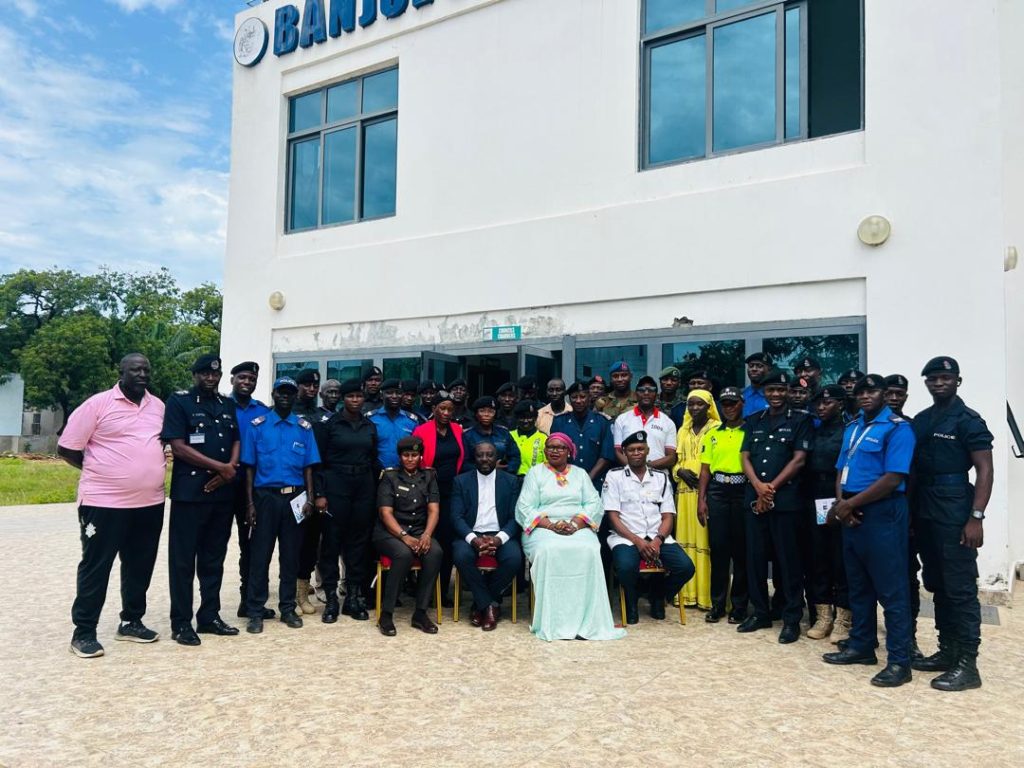
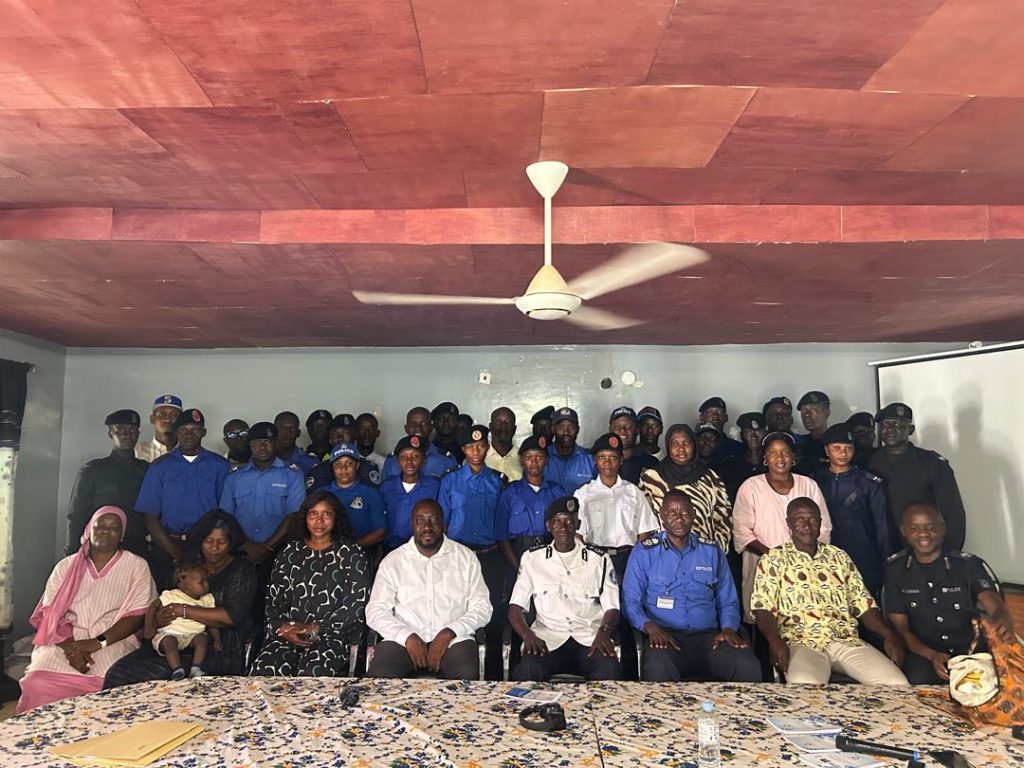
The programme also highlighted entrenched cultures of command and unquestioned obedience, where officers feel compelled to follow unlawful orders out of fear of retaliation. Weak internal complaint mechanisms, selective disciplinary practices, and lack of whistleblower protection were repeatedly cited as barriers to accountability. Despite these challenges, the initiative yielded important outcomes. Many officers described the training as a “wake-up call” that challenged normalized abuses and prompted reflection on ethical policing. There was increased awareness of legal standards governing arrest, detention, use of force, and protest management, as well as a growing recognition that human rights compliance strengthens, rather than weakens, effective policing. Participants demonstrated greater openness to dialogue with oversight bodies and civil society, and some acknowledged ongoing internal reforms aimed at improving fairness and professionalism
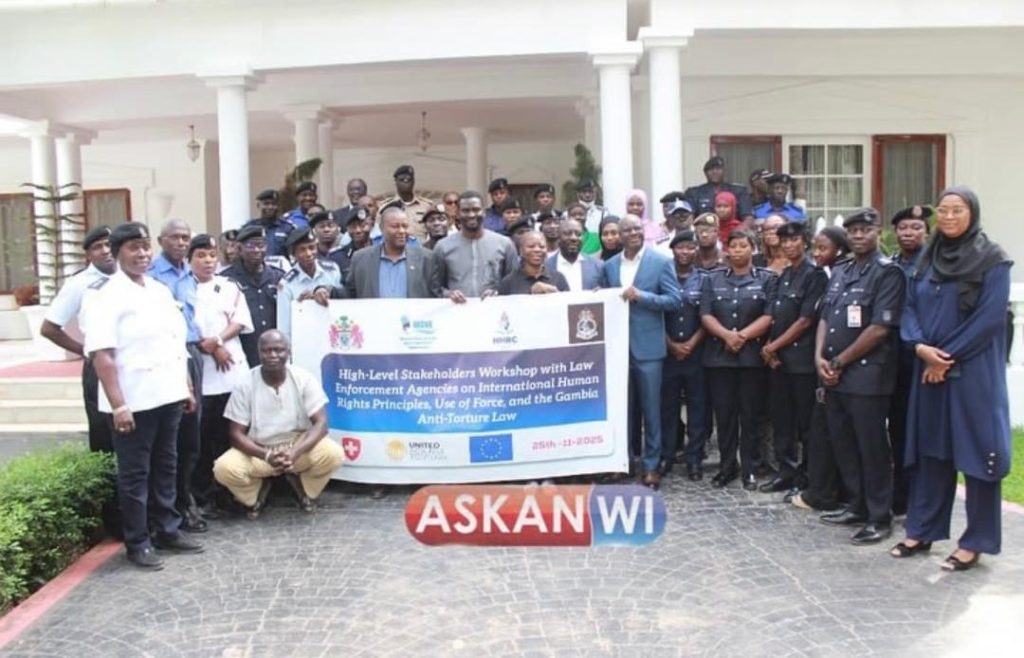

The broader impact extends beyond training rooms. By integrating national law with international guidance such as the UN Guidelines on the Use of Less-Lethal Weapons in Law Enforcement, the project strengthened alignment between domestic practice and global standards. The accompanying nationwide media outreach increased public awareness of torture prevention laws and available complaint mechanisms, contributing to more informed civic engagement. Importantly, the high-level stakeholder forum created a platform for senior leadership to publicly reaffirm commitments to institutional reform, legislative harmonisation, and sustained human rights education within security services. While cultural change within law enforcement is gradual, the project established measurable foundations for reform by shifting attitudes, clarifying legal consequences, and embedding accountability conversations within national security discourse in The Gambia.


This partnership contributed to measurable shifts in knowledge, attitudes, and emerging practice- laying the groundwork for long-term cultural transformation within The Gambia’s security sector.