
Under the United Against Torture Consortium, Omega was pleased to be able to provide small grants to six civil society organisations to help further their work to address the unlawful use of force by police or other state officials. The Belgrade Centre for Human Rights in Serbia was one of the organisations we were able to support. We invite you to read this guest blog piece to learn more about their important work:
Unlawful Use of Force by the Police or Other Government Officials in Serbia
Belgrade Centre for Human Rights (BCHR)
Supported by Omega Research Foundation
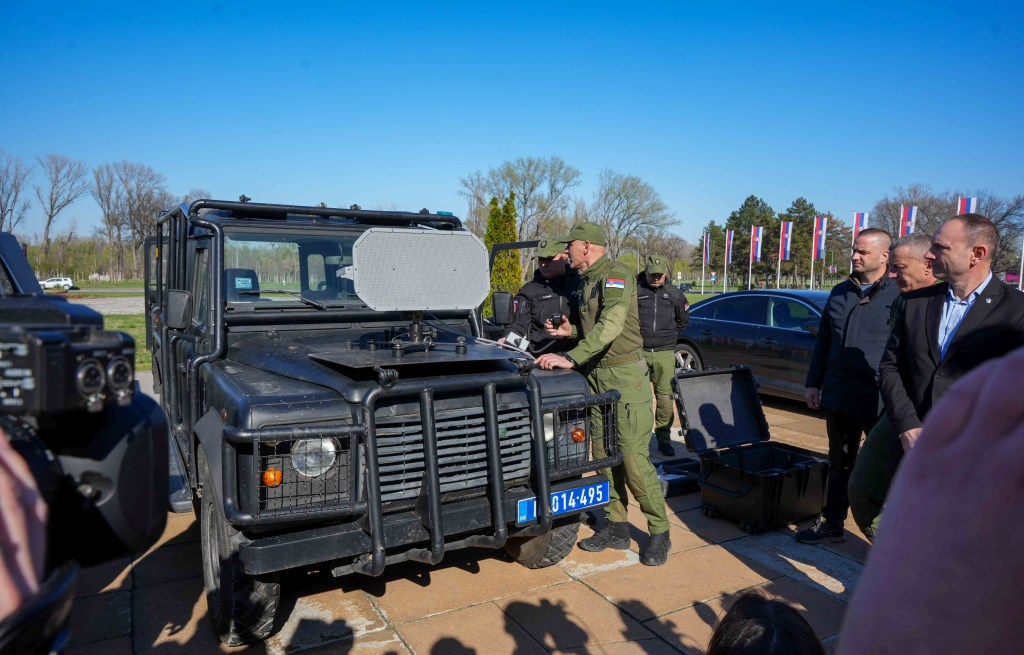
Between June and November 2025, the Belgrade Centre for Human Rights implemented the project “Unlawful Use of Force by the Police or Other Government Officials in Serbia,” in response to escalating police brutality during mass student-led protests across the country.
The project focused particularly on the unlawful use of an unidentified sonic or acoustic weapon against peaceful protesters in Belgrade on 15 March 2025. Thousands of citizens reported physical injuries, severe distress and lasting psychological consequences. BCHR documented these cases in line with international standards on the investigation of torture and ill-treatment and provided direct legal assistance to more than 40 victims.
Through strategic litigation, BCHR pursued accountability before domestic authorities and international mechanisms, including the European Court of Human Rights and the UN Committee Against Torture. The project also contributed to formal communications addressed to Serbia by several UN Special Rapporteurs, raising concerns about the legality of the weapon used, the lack of effective investigation and broader patterns of excessive force.
In parallel, BCHR conducted advocacy at the European Union and Council of Europe levels, including meetings with EU officials and Members of the European Parliament in Brussels. Public awareness activities, media engagement and community outreach strengthened legal literacy among protesters and reinforced civil society’s role in combating impunity.
By combining documentation, legal aid, international advocacy and public education, the project established the first comprehensive body of evidence in Serbia regarding the use of such weapons against civilians. It also laid the groundwork for future litigation, legislative reform on police powers and stronger oversight of the use of force.
The project demonstrates the critical role of independent civil society in responding to systemic human rights violations and ensuring that victims of torture and ill-treatment are not left without protection or voice.