
Nyari Pariola
Nyari Pariola is a member of Omega’s Network of Experts. She is a human rights lawyer, peace and security scholar, and anti-torture expert. Nyari recently represented Omega at a Regional Conference organised by our UATC partner FIACAT and ACAT Côte d’Ivoire. Below, she shares some of what was discussed at the Conference.
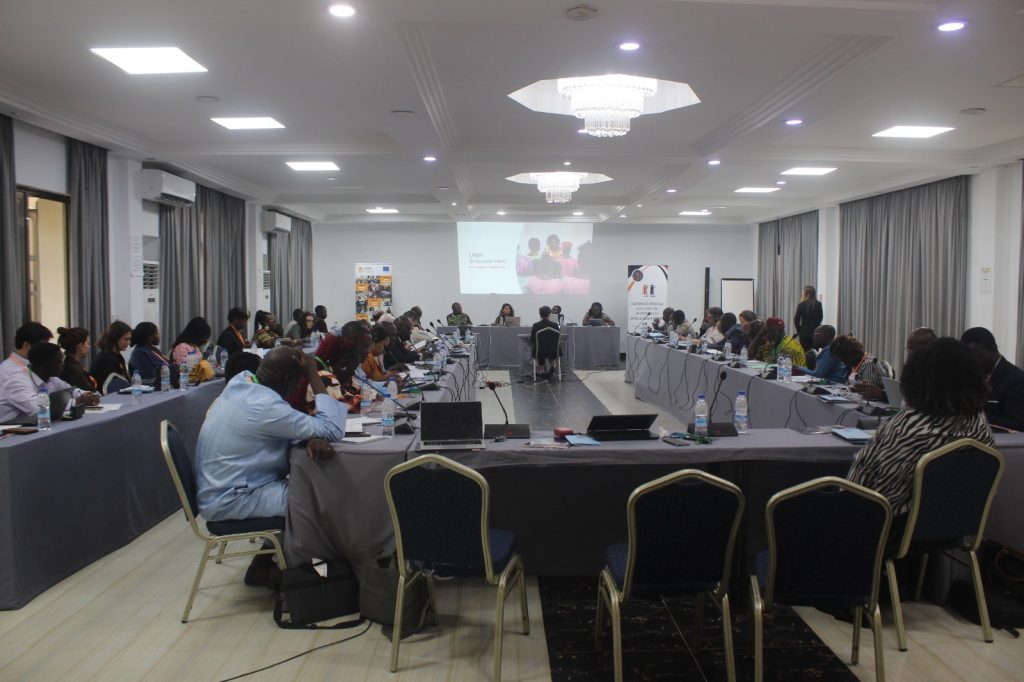
In April 2026, ACAT Côte d’Ivoire hosted a Regional Conference on torture together with FIACAT in Abidjan. The Conference brought together key actors in the fight against torture in prisons and aimed to contribute to the prevention and combating of torture in detention in sub-Saharan Africa. The Conference exposed a troubling contradiction at the heart of justice systems across Africa: that despite regional and international commitments to uphold human rights, torture and ill-treatment remain deeply entrenched in places of detention.
Across the continent, prisons and detention centres reflect systemic failures — from overcrowding to weak oversight mechanisms and the absence of meaningful alternatives to detention.
A major driver of this crisis is the excessive reliance on imprisonment as the default response within many judicial systems, where detention is too often prioritised over rehabilitation, restorative justice, or community-based alternatives. Thousands of people — many of them awaiting trial and not yet convicted of any crime — are held for prolonged periods in overcrowded and under-resourced facilities that far exceed their intended capacity. In such conditions, basic human dignity becomes severely compromised.
The absence of effective alternatives to detention, particularly for minor or non-violent offences, continues to fuel a cycle of overcrowding that places immense pressure on prison authorities and creates environments where abuse, violence, and degrading treatment flourish. Janelle Mangwanda of The Dullah Omar Institute shared about the Campaign to Decriminalise Poverty and Status that they launched in 2014 which speaks to this issue. They conducted criminal justice audits in several African countries, which revealed that a significant number of persons (mostly poor) were detained in remand facilities for extensive periods of time for petty/minor offences. This is mainly due to archaic, overly broad, offensive, and discriminatory laws which provide law enforcement officials with unfettered discretion to arrest those who are considered “undesirable”, primarily the poor and marginalized in our societies. Unfortunately this criminalisation of poverty and status leads to increased marginalisation of already vulnerable groups, and an increase in pre-trial detention and over-population of detention centers across sub-Saharan Africa.
Key recommendations of the study were that
- governments should refrain from the over-reliance on the criminal justice system in addressing socio-economic challenges and instead prioritise constructive, non-criminalising solutions for marginalised groups, and
- strengthening the mandate, independence, and operational capacity of oversight institutions is also critical for promoting effective human rights protection and upholding the rule of law within the penitentiary system.
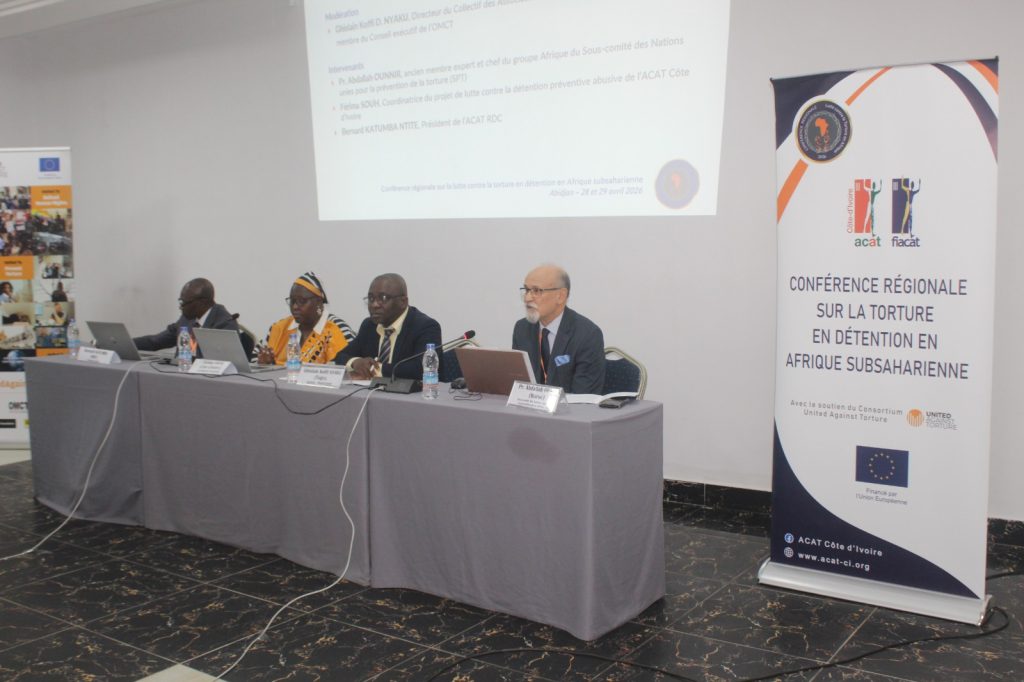
The discussions at the Conference underscored an urgent reality, that Africa needs a coordinated, context-sensitive response capable of confronting torture and restoring dignity within its justice systems. There was a consensus that advocating for law and policy reform and decriminalisation is essential in reducing pre-trial detention, overpopulation, and ultimately, torture within detention centers in sub-Saharan Africa.
Read more about Nyari’s work and expertise here.